
 EN
EN
 CS
CS
 DA
DA
 NL
NL
 FR
FR
 DE
DE
 IT
IT
 PL
PL
 PT
PT
 RU
RU
 ES
ES
 SV
SV
 SK
SK
 UK
UK
 HU
HU
 TR
TR
 GA
GA
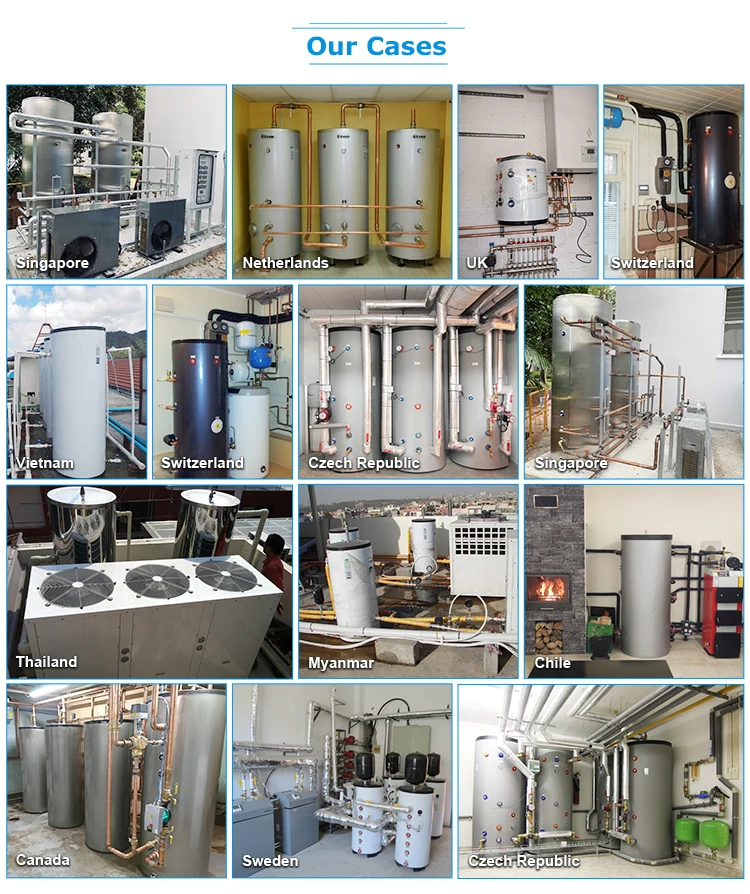
Navigating the landscape of solar water heating systems requires a solid understanding of the components involved, particularly the solar water tank. As a recognized export partner for premium stainless steel solar water tanks in the USA, SST stands out as China’s largest manufacturer of customized stainless steel water tanks, including those tailored for heat pump and solar systems. This article will address key concerns for B2B buyers, such as product selection, quality evaluation, sourcing options, installation challenges, and the benefits of customized solutions.
How to Choose the Right Solar Water Tank for Your Project Needs
Selecting the right solar water tank involves understanding your specific project requirements, including capacity, intended use, and compatibility with existing systems. Consider the following factors:
Capacity: Assess the volume of water your system will need. Solar water tank are available in various sizes, typically ranging from 100 to 1,500 liters. Larger households or commercial applications may require tanks with higher capacities.
Material: Stainless steel is preferred for its durability and resistance to corrosion. Ensure the tank is made from high-quality stainless steel, as this will impact longevity and performance, particularly in harsh environments.
Configuration: Determine whether you need a single tank or a system with multiple tanks. A series of interconnected tanks can provide greater efficiency and redundancy.
Customization: SST offers tanks that can be tailored to meet specific project requirements, such as insulation types, inlet/outlet configurations, and other technical specifications.
Certifications: Check for relevant industry certifications that indicate compliance with safety and performance standards.
By carefully evaluating these factors, you can choose a solar water tank that aligns with your project needs and ensures optimal performance.
Evaluating the Quality of Stainless Steel Tanks for Wholesale Purchase
When purchasing stainless steel tanks in bulk, quality assessment is crucial to ensure that the products will perform reliably over time. Here are several key quality indicators to consider:
Material Thickness: The thickness of the stainless steel should be appropriate for the tank's intended pressure and temperature conditions. A thicker gauge often indicates greater durability but may also affect cost.
Welding Quality: Inspect the welding process used in the tank's construction. Advanced butt-welding technology, like that employed by SST, allows for stronger joints and reduces the risk of leaks.
Surface Treatment: The tank's surface should be treated to prevent corrosion and scaling. Discuss the surface treatment options available and their long-term benefits.
Testing and Inspection: Ensure the manufacturer has rigorous quality control processes in place. This should include testing for leaks, pressure, and temperature endurance before the tanks are shipped.
Warranty and Support: A solid warranty can provide peace of mind. Understand the support offered by the supplier for warranty claims and maintenance guidance.
By focusing on these aspects, you can ensure that the stainless steel tanks you source will meet your quality requirements and perform effectively throughout their service life.
Where to Source Reliable Stainless Steel Solar Water Tanks in Bulk
Finding a reliable supplier for stainless steel solar water heater tank involves several considerations:
Manufacturer Reputation: Look for manufacturers with a proven track record in the industry. SST, as a leading manufacturer, has extensive experience in producing customized tanks that meet various market demands.
Export Capabilities: Ensure the supplier has experience exporting to your region, which can streamline logistics and ensure compliance with local regulations.
Customization Options: Choose suppliers that offer significant customization capabilities to cater to your specific needs, whether in size, design, or features.
Lead Time: Confirm the lead times for large orders. A reputable supplier will provide clear timelines for production and shipping, which is critical for project planning.
Customer Service: Evaluate the level of customer support provided by the supplier. A responsive team can help address any questions or issues that arise during the purchasing process.
By focusing on these factors, you can successfully identify a source for high-quality stainless steel solar water tanks that aligns with your project timelines and specifications.
Common Installation Problems with Solar Water Tanks and Their Solutions
Installing solar water tanks can present a range of challenges. Here are some common installation issues and their solutions:
Inadequate Space: Ensure you have sufficient space for the tank and associated piping. If space is limited, consider customized tank sizes that fit your layout.
Incorrect Connections: Verify that all inlet and outlet connections are correctly aligned and secured. Misalignment can lead to leaks and inefficient operation.
Insufficient Insulation: Proper insulation is crucial for maintaining water temperature. Evaluate insulation options during the selection process to ensure optimal heat retention.
Pressure Issues: Check the pressure ratings of both the tank and the solar system. Installing a tank that isn't rated for the system's pressure can lead to catastrophic failure.
System Compatibility: Ensure the tank is compatible with the solar collectors and other components of the water heating system. Mismatched systems can result in inefficiency and increased wear on components.
By proactively addressing these common installation issues, you can enhance the reliability and performance of your solar water heating system.
Comparing Features of Customized Solar Water Tanks for Contractors
For contractors, understanding the features of customized solar water tanks is essential for meeting client needs effectively. Here are key features to compare:
Tank Configuration: Evaluate the different tank configurations available, such as vertical vs. horizontal tanks, and their suitability for specific installations.
Insulation Types: Different insulation materials and thicknesses can significantly affect heat retention. Compare options to find the best fit for your climate and project requirements.
Heating Elements: Some tanks come with built-in heating elements for supplementary heating. Assess whether this feature aligns with your project goals.
Access Ports: Check the availability of access ports for maintenance and cleaning. Proper access can simplify future upkeep and extend the tank's lifespan.
Integration with Other Systems: Consider how the tank integrates with existing systems, such as solar panels or heat pumps. A well-integrated system can optimize performance and energy savings.
By comparing these features, contractors can better select solar water tanks that meet the specific needs of their projects while ensuring client satisfaction.
This comprehensive understanding of solar powered water tank will equip B2B buyers, purchasing managers, and contractors with the insights needed to make informed decisions in sourcing and utilizing these critical components in solar water heating systems.
Table of Contents
- How to Choose the Right Solar Water Tank for Your Project Needs
- Evaluating the Quality of Stainless Steel Tanks for Wholesale Purchase
- Where to Source Reliable Stainless Steel Solar Water Tanks in Bulk
- Common Installation Problems with Solar Water Tanks and Their Solutions
- Comparing Features of Customized Solar Water Tanks for Contractors