
 EN
EN
 CS
CS
 DA
DA
 NL
NL
 FR
FR
 DE
DE
 IT
IT
 PL
PL
 PT
PT
 RU
RU
 ES
ES
 SV
SV
 SK
SK
 UK
UK
 HU
HU
 TR
TR
 GA
GA
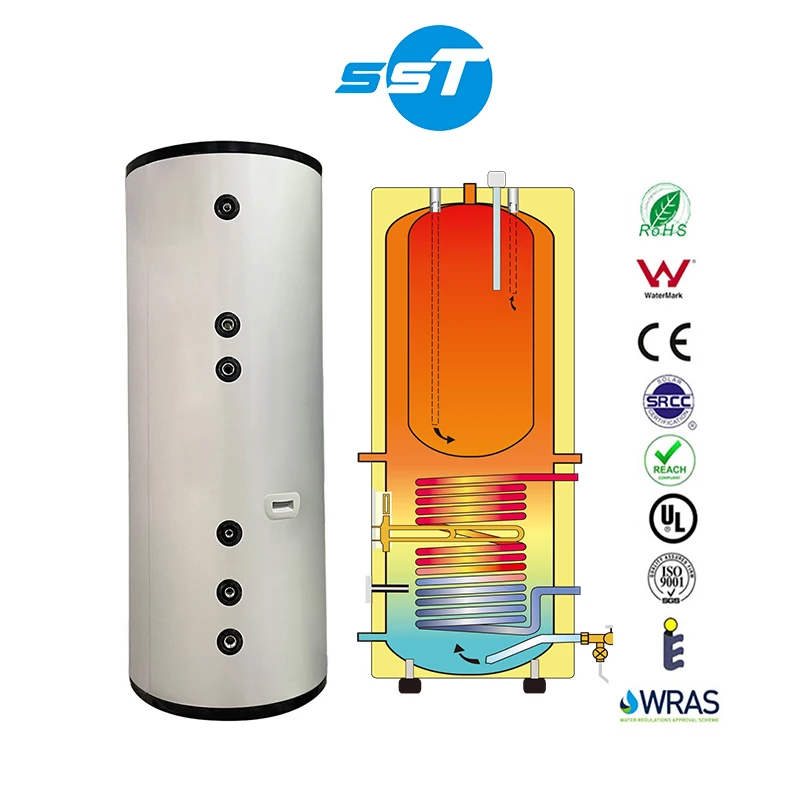
High-performance stainless steel hot water tanks are an integral part of modern heating systems, particularly for applications requiring durability and efficiency. As the leading producer of high-performance stainless steel hot water tanks in Germany, SST specializes in customized solutions that cater to a variety of needs from heat pump and solar systems to industrial applications. This article will guide you through essential considerations when sourcing these tanks, addressing common buyer concerns such as specifications, compatibility, and application suitability.
What You Need to Know
When looking for high-performance stainless steel hot water tank, it’s crucial to understand the material properties and manufacturing processes that influence performance. SST leads the market with its advanced butt-welding technology and a robust portfolio of over 50 patents, which ensure that their products meet high efficiency and durability standards. Buyers should be aware of the specific requirements of their applications, such as heat retention, pressure tolerance, and corrosion resistance, which are critical for selecting the right tank.
Additionally, customization capabilities play a significant role in meeting unique project specifications. SST’s tanks can be tailored to fit various applications, allowing for optimal performance in diverse environments, from residential to industrial settings.
How to Choose the Right Stainless Steel Hot Water Tank for Your Project
Selecting the right tank involves evaluating several factors:
Size and Capacity: Determine the required capacity based on your project’s demands. The size of the tank should align with the volume of hot water needed, accounting for peak usage periods.
Material Grade: Stainless steel tanks typically come in different grades, like 304 and 316. For applications with exposure to harsher environments, 316 grade may be preferable due to its enhanced corrosion resistance.
Insulation Type: Insulation affects heat retention and energy efficiency. Consider the insulation material and thickness to ensure optimal performance, particularly for systems relying on heat pumps or solar energy.
Customization Needs: Discuss any specific requirements with your manufacturer. SST’s experience in customizing tanks can provide solutions tailored to unique applications, enhancing efficiency and usability.
Regulatory Compliance: Ensure the tank meets local regulations and standards. This may involve checking for specific certifications relevant to your industry.
Specifications to Consider When Sourcing Stainless Steel Hot Water Tanks
When sourcing stainless steel solar tank, several specifications should be prioritized:
Thickness: The tank’s wall thickness impacts its durability and pressure tolerance. Thicker walls provide better structural integrity but may increase weight and cost.
Pressure Rating: Confirm the maximum pressure the tank can handle, especially for high-demand industrial applications. This rating is crucial for safety and performance.
Temperature Range: Evaluate the operational temperature range to ensure the tank can handle the heat produced by your system without risk of failure.
Welding Quality: High-quality butt-welding is essential for ensuring seamless joints that can withstand pressure and thermal expansion. SST employs advanced welding technologies to maintain high production standards.
Finish and Surface Treatment: The surface finish affects cleanliness and resistance to corrosion. Consider tanks with appropriate surface treatments for your application, which can also aid in maintenance.
Applications of High-Performance Stainless Steel Hot Water Tanks in Industry
High-performance stainless steel hot water tanks find diverse applications across various industries:
Residential Heating: These tanks are essential in home heating systems, providing efficient hot water supply for domestic use.
Commercial Use: Hotels, restaurants, and other commercial establishments rely on these tanks for continuous hot water supply, ensuring customer satisfaction and operational efficiency.
Industrial Processes: Many manufacturing processes require hot water, making these tanks vital for industries such as food processing, pharmaceuticals, and textile production.
Renewable Energy Systems: SST’s tanks are compatible with solar thermal and heat pump systems, supporting the transition to sustainable energy sources by optimizing energy use.
Understanding the Advantages of Stainless Steel for Hot Water Tanks
Stainless steel offers distinct advantages for hot water tanks:
Corrosion Resistance: Stainless steel is resistant to rust and corrosion, which is crucial for maintaining the integrity of the tank, particularly in high-moisture environments.
Durability: Its strength and ability to withstand high temperatures and pressures make stainless steel tanks long-lasting, reducing the need for frequent replacements.
Hygiene: Stainless steel is non-porous and easy to clean, ensuring the water remains uncontaminated, which is especially important in food and beverage industries.
Energy Efficiency: These tanks can be designed to minimize heat loss, resulting in lower energy consumption and operational costs.
Customization: Stainless steel’s versatility allows for various designs and configurations, making it suitable for a wide range of applications.
When sourcing high-performance stainless steel solar water heater tank, it's essential to consider the specific needs of your application, including material properties, specifications, and customization options. Understanding these factors will help you make informed purchasing decisions and ensure the longevity and efficiency of your hot water system.
Table of Contents
- What You Need to Know
- How to Choose the Right Stainless Steel Hot Water Tank for Your Project
- Specifications to Consider When Sourcing Stainless Steel Hot Water Tanks
- Applications of High-Performance Stainless Steel Hot Water Tanks in Industry
- Understanding the Advantages of Stainless Steel for Hot Water Tanks