
 EN
EN
 CS
CS
 DA
DA
 NL
NL
 FR
FR
 DE
DE
 IT
IT
 PL
PL
 PT
PT
 RU
RU
 ES
ES
 SV
SV
 SK
SK
 UK
UK
 HU
HU
 TR
TR
 GA
GA
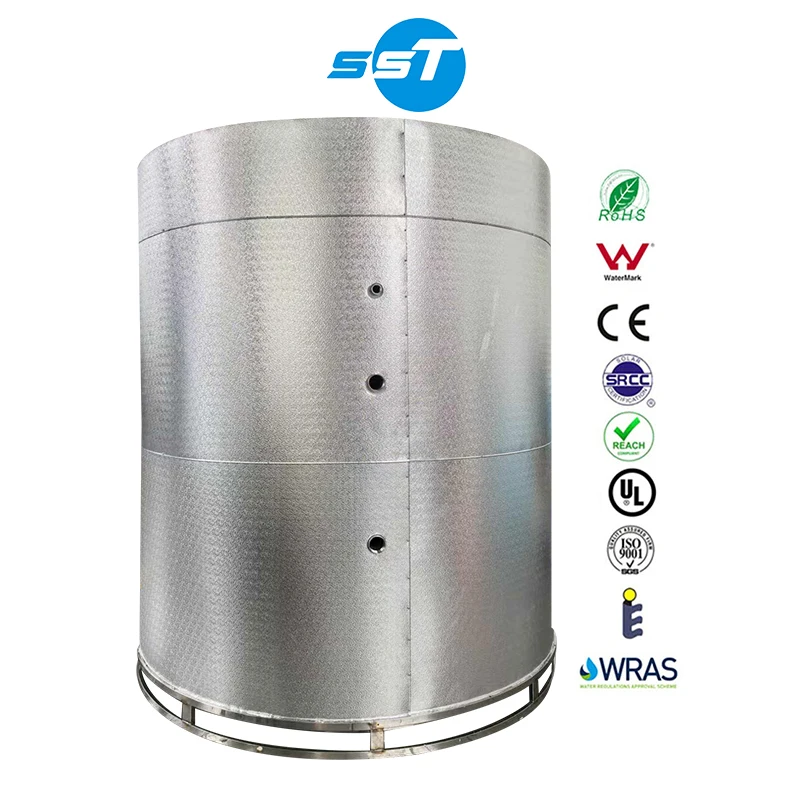
Buffer tanks are essential components in heating and cooling systems, particularly in commercial applications. They store hot or cold water, ensuring that systems operate efficiently by maintaining stable temperatures. As a top manufacturer of commercial-grade stainless steel buffer tanks in Australia, SST specializes in providing durable and customizable solutions. This article will guide purchasing managers, engineers, and distributors through the essential considerations when selecting buffer tanks, including specifications, supplier reliability, cost factors, and common issues.
How to Choose the Right Commercial Grade Stainless Steel Buffer Tank
Selecting the appropriate commercial-grade stainless steel buffer tank involves several critical factors. First, assess the tank's capacity based on the specific application requirements. For instance, systems that manage high heat loads, like those used in heat pump or solar applications, may require larger tanks to maintain efficiency.
Next, consider the material. While stainless steel is the standard for its corrosion resistance and durability, the specific grade can impact performance. For high-temperature applications, DUPLEX stainless steel, known for its excellent strength and resistance to stress corrosion cracking, could be a better choice.
Additionally, evaluate the tank design, including insulation thickness and surface treatment. Insulated tanks help reduce energy loss, while surface treatments can enhance durability and resistance to environmental factors. Lastly, confirm the customization options available to ensure the tank meets the unique demands of your project.
Key Specifications for Durable Stainless Steel Buffer Tanks
When evaluating buffer tanks, specific key specifications should be prioritized:
Material Thickness: The thickness of the tank walls affects durability and thermal efficiency. A thicker wall can withstand higher pressure and temperature, essential for commercial applications.
Insulation: Quality insulation minimizes heat loss. Look for tanks with polyurethane or fiberglass insulation, which provide better thermal efficiency.
Welding Quality: Advanced butt-welding technology, as used by SST, ensures strong joints that enhance the tank's structural integrity. Inspect for uniformity and finish of welds to prevent leaks.
Design Pressure and Temperature Ratings: These ratings indicate how much pressure and temperature the tank can safely handle, which is critical for ensuring safety and longevity in high-demand applications.
Customization Capabilities: Tanks should be adaptable to specific system requirements, including inlet and outlet configurations, dimensions, and additional features such as heating elements or sensors for monitoring.
Where to Find Reliable Suppliers of Stainless Steel Buffer Tanks
Identifying a trustworthy supplier is crucial for ensuring product quality and reliability. Start by researching manufacturers with a strong industry reputation and experience in the production of stainless steel hot water buffer tank. Look for suppliers with established certifications and patents, as these indicate a commitment to quality and innovation.
Trade shows and industry exhibitions can also serve as valuable platforms to meet suppliers, allowing for direct discussions about capabilities and product specifications. Online platforms and industry directories can provide additional insights into customer reviews and rankings, aiding in supplier evaluation.
Finally, consider suppliers who offer robust after-sales support and warranty options. This support can be invaluable if issues arise post-purchase, ensuring that you have recourse for any manufacturing defects or performance concerns.
Cost Factors to Consider When Sourcing Buffer Tanks Wholesale
When sourcing stainless steel buffer tanks wholesale, several cost factors come into play. The base price of the tank often reflects its size, material quality, and manufacturing complexity. Customization features, such as specific dimensions or additional fittings, can also influence the final cost.
Additional costs to consider include shipping and handling fees, which can vary based on destination and logistics. Be mindful of import tariffs if sourcing from overseas manufacturers, such as SST, as these can significantly affect the total expenditure.
Lastly, evaluate the long-term value of the tank. While a lower initial price may be attractive, investing in high-quality materials and construction can lead to reduced maintenance costs and improved efficiency over time, ultimately saving your company money in the long run.
Common Problems with Buffer Tanks and Effective Solutions
Buffer tanks, while generally reliable, can encounter several common issues that may affect performance. One frequent problem is thermal stratification, where hot and cold water layers become separated, leading to inefficient heating or cooling. To mitigate this, ensure that the tank is equipped with proper mixing mechanisms or consider a tank design that promotes fluid movement.
Another issue is corrosion, particularly if the tank is not made from high-quality stainless steel or lacks proper surface treatment. Regular inspections and maintenance can help identify early signs of corrosion, allowing for timely interventions.
Leaks, often caused by poor welding or manufacturing defects, can lead to significant operational problems. Buyers should always request samples and conduct thorough quality inspections before mass production to ensure that welds are robust and the tank is free from defects.
In summary, understanding these common issues and their solutions can aid purchasing managers and engineers in making informed decisions, ensuring that they select high-quality buffer tank heat pump that provide reliable service over their lifespan.
Table of Contents
- How to Choose the Right Commercial Grade Stainless Steel Buffer Tank
- Key Specifications for Durable Stainless Steel Buffer Tanks
- Where to Find Reliable Suppliers of Stainless Steel Buffer Tanks
- Cost Factors to Consider When Sourcing Buffer Tanks Wholesale
- Common Problems with Buffer Tanks and Effective Solutions