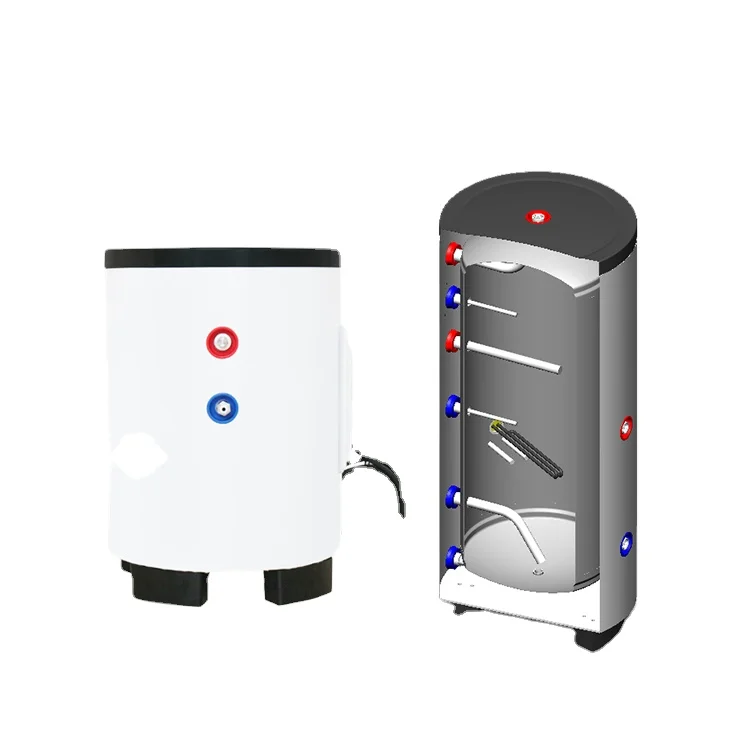
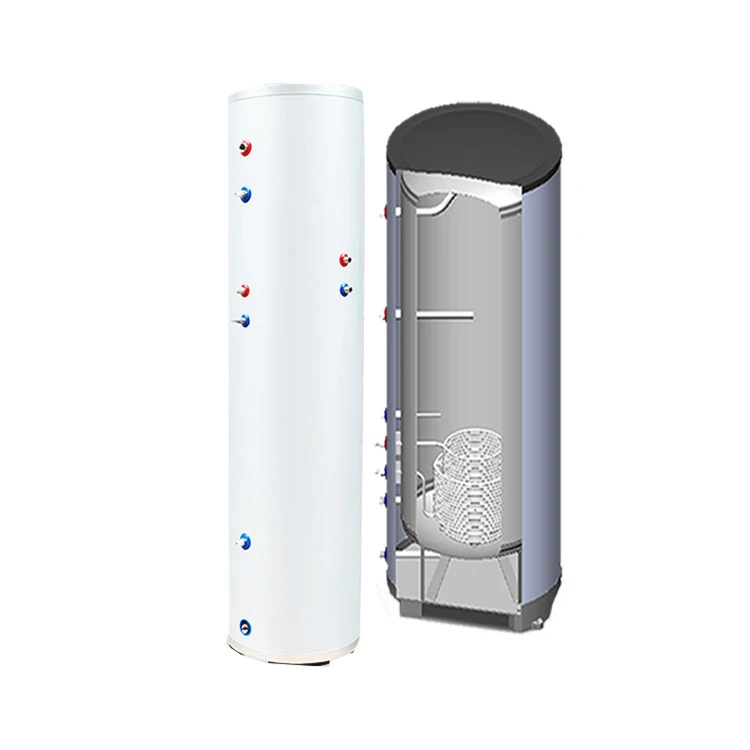
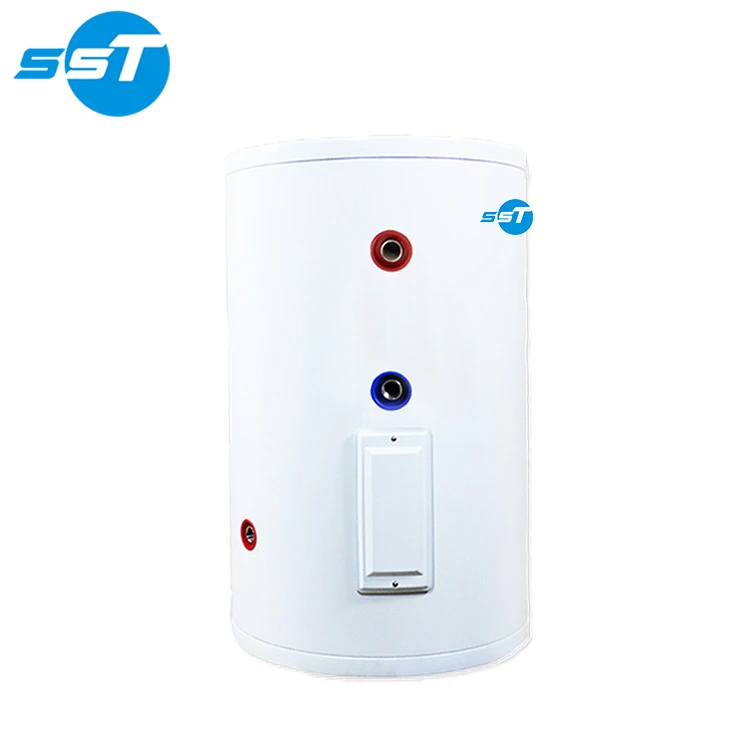
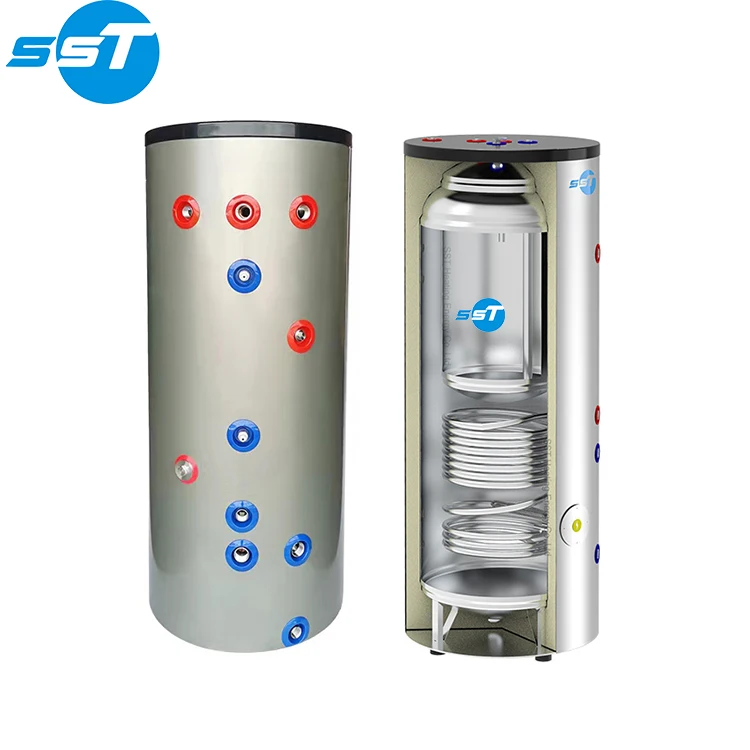
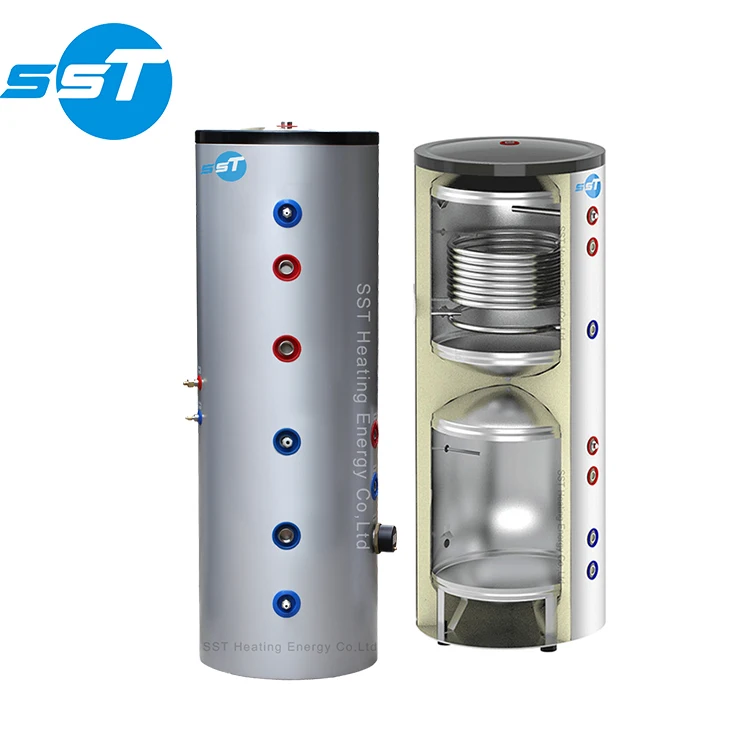
A boiler header tank might seem like a funny name, but it does an incredibly important job of making sure your house isn't freezing during the winter. This little tank is incredibly important to the operation and efficiency of your heating system. And if you need to keep warm in the cold, this little tank does interesting things.
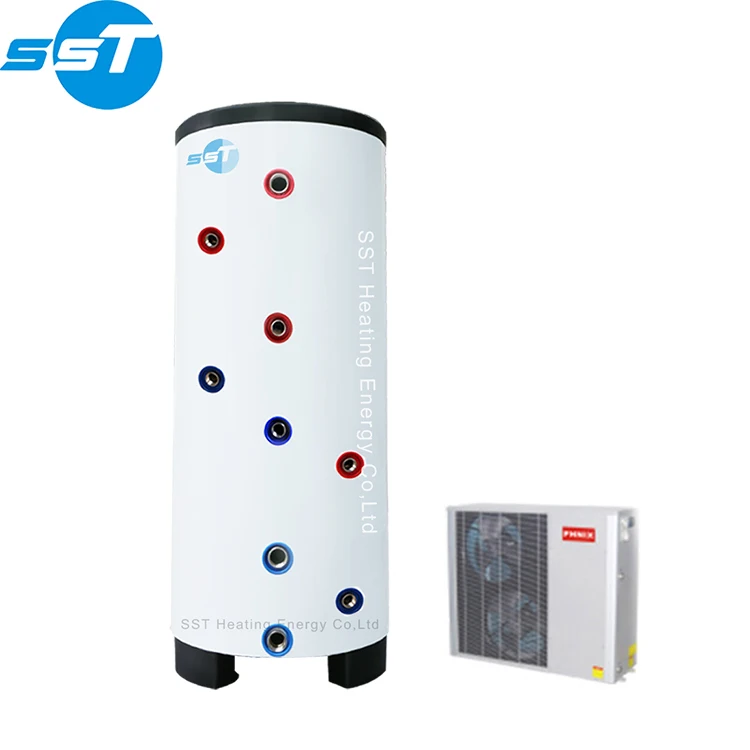
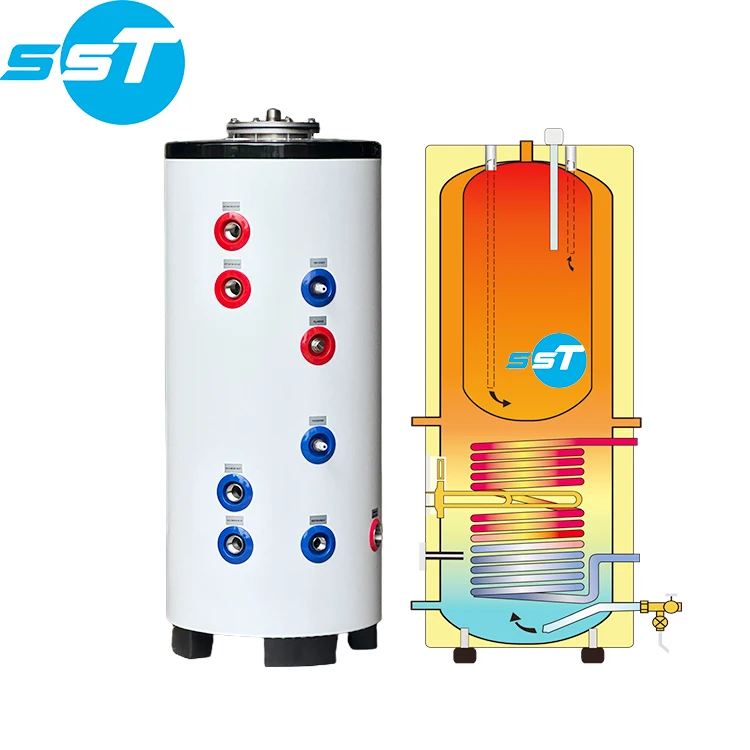
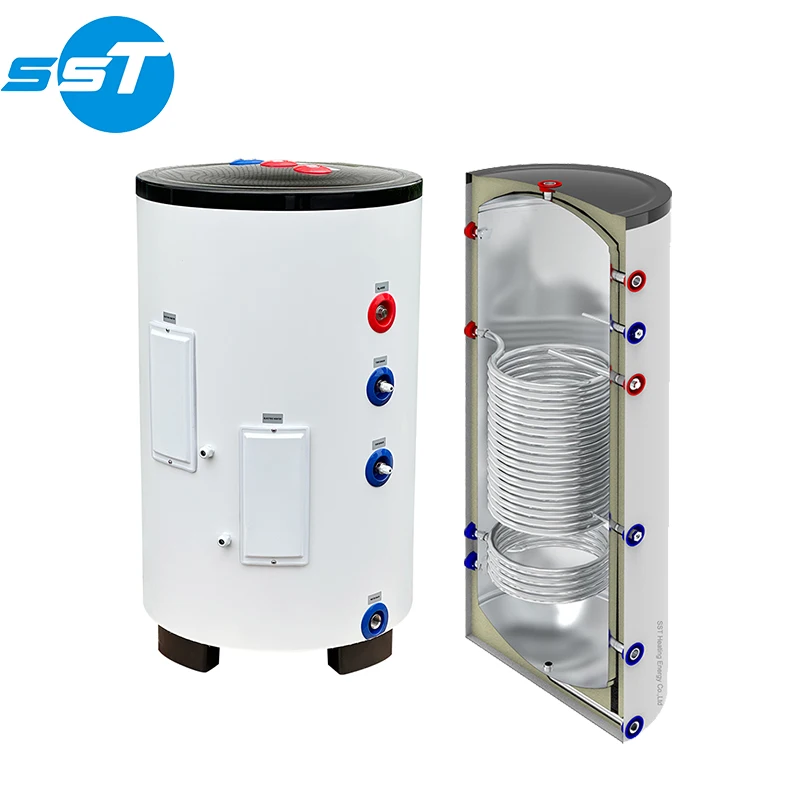
What exactly is a boiler header tank? It is a tiny water tank placed atop your heating appliance. Holding water to replenish your low heating system The water in the heating system expands and is transferred into the tank when your Heater heats up. When this water reaches lower temperature, it tends to further shrink. Pump your heating system is used to make this water Flow by creating pressure and discharge through up-and-down flow, The heat exchanger brings the water into your home, and this is what lets you feel warm inside.
Help Boiler Not To Breakdown: The boiler header tank is helpful for saving your boilers per year by not breaking down. Your boiler may overheat if your heating system is ever low on water, which can be a major issue for you. On the contrary, boiler header tank guarantees that such thing will not happen as it feeds enough water to your system always. This will keep your house warm and prevent expensive repairs.
Makes Your Heating System Last For Longer: A heating system boiler header tank also helps your heating system to operate more efficiently and last for a long time as well. The water level is kept evenly so, less stress on your boiler and the other part of heating system. Balanced, you will be able to keep your system running well for years and stay warm during the cold months.
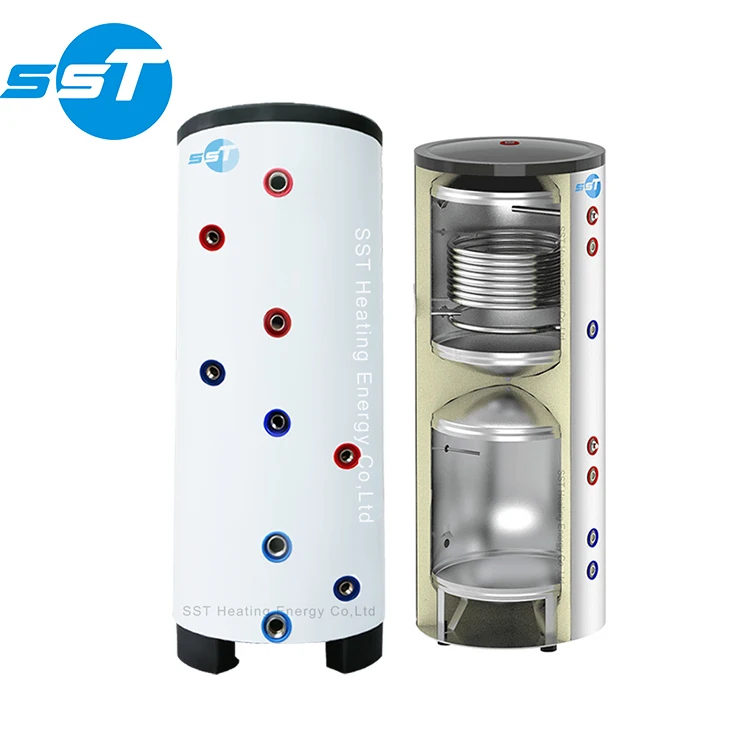
Monitor water level: It is essential to keep an eye on your boiler header tank and note the amount of water it holds. In the event where water is lower than its operational volume, it may lead to problems in your heating system. Then you just have to watch it regularly, so that nothing happens.
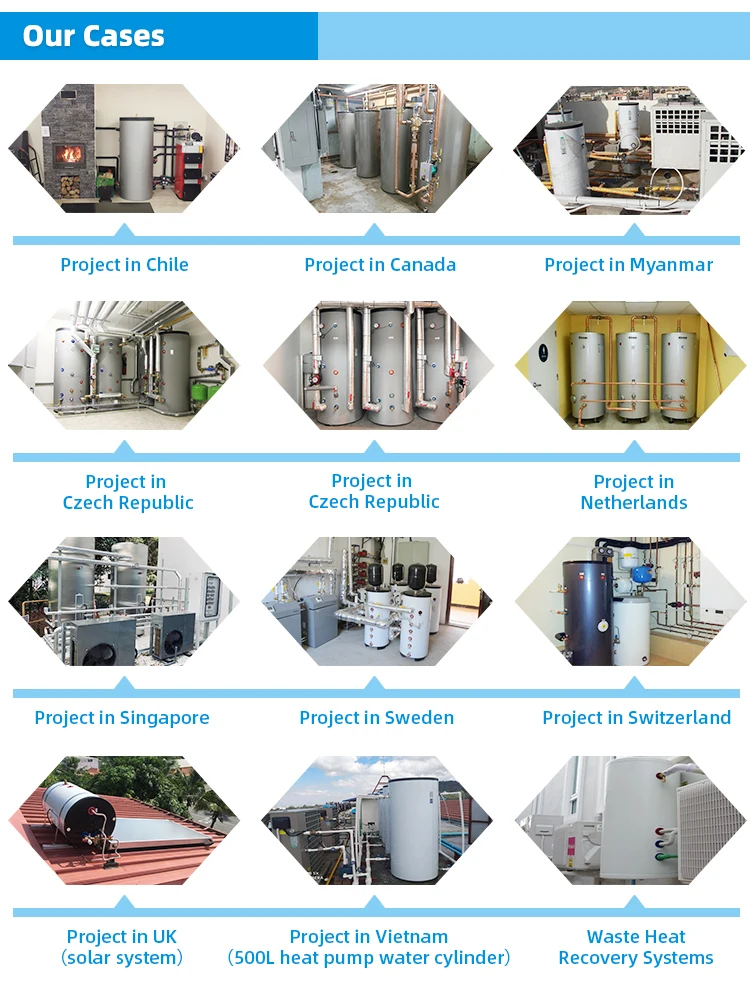
Check for odd Noise: Should you begin to notice bizarre sounds originating from your heating system, then this might suggest a problem along with the boiler header tank. Don't ignore these sounds! You are best to call out a professional who can come and do some investigating, so any problems you may have can be sorted.
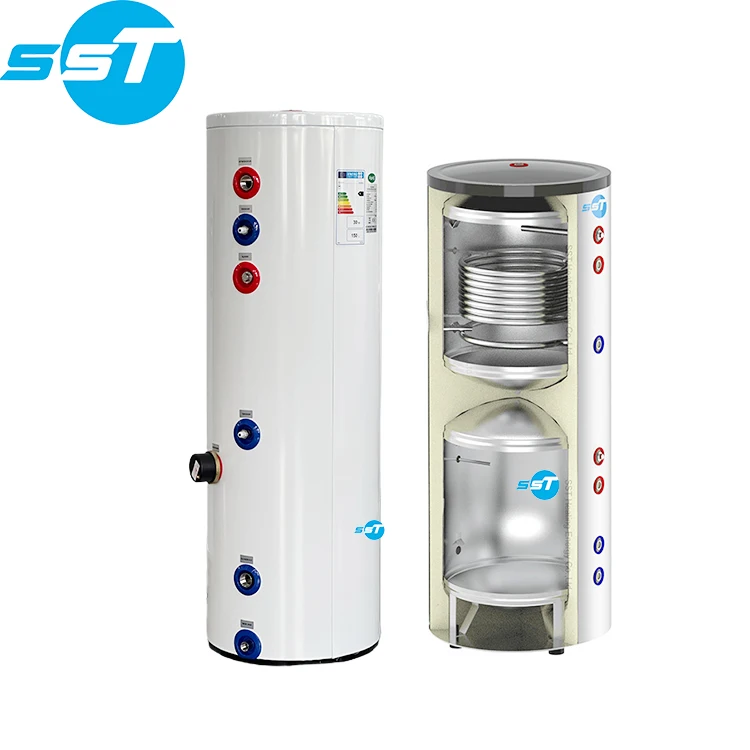
Hot water pressure — Boiler Header Tank Hot tubs will only work with low hot water services, which originate from a vented tank that allows air to be automatically pumped out of the source lines. Regular maintenance can help you detect issues sooner rather than later, avoiding major problems down the road.
SST is boiler header tank with CE CB, ERP, and CE certificates for European markets. Watermark is for the Australian market, UL is for North America, and KTW and WRAS are designed for UK drinking standard. Our water tank now can reach a temperature loss of A+. Additionally, ISO9001, ISO14001, ISO45001 and all materials meet ROHS.
SST Heating Energy Co., Ltd is founded in 2006, is the most significant manufacturer and exporter of custom stainless steel water tanks and the most experienced manufacturer of DUPLEX stainless steel water tank featuring the most advanced technology in China. Obtains more than 50 inventions and utility patents for model designs. Since its inception, SST has been exporting water tanks, and is No. 1 in the exports of water tanks. The factory area is greater than 30000m2, and monthly production of boiler header tank. Heating loss is as high as A+.
Products include solar system accessories heat recovery tanks, boiler header tank, hot water tanks, gas boilers, and heat pump water tanks. SST also offers a range of stainless steel products that include storage water cylinders, water cylinders and solar systems. SST offer ODM and OEM services 20 Technology, RD engineer, six automated production line to ensure that welding quality is high and efficient.
SST has a stainless steel lab to test raw materials. The lab includes component boiler header tank of raw materials and spectrograph tests to ensure our raw materials are in conformity with standards and requirements for ROHS; point corrosion test for comparing the corrosion resistance of different stainless steels and metallographic tests to test changes in the chemical composition of tissues after welding the material; tensile test to measure strength, toughness and fatigue. There are also test for fatigue and pressure in every tank to make sure that the products are certified.

 EN
EN
 CS
CS
 DA
DA
 NL
NL
 FR
FR
 DE
DE
 IT
IT
 PL
PL
 PT
PT
 RU
RU
 ES
ES
 SV
SV
 SK
SK
 UK
UK
 HU
HU
 TR
TR
 GA
GA